What is Non-Emergency Medical Transport and How Can it Benefit You?
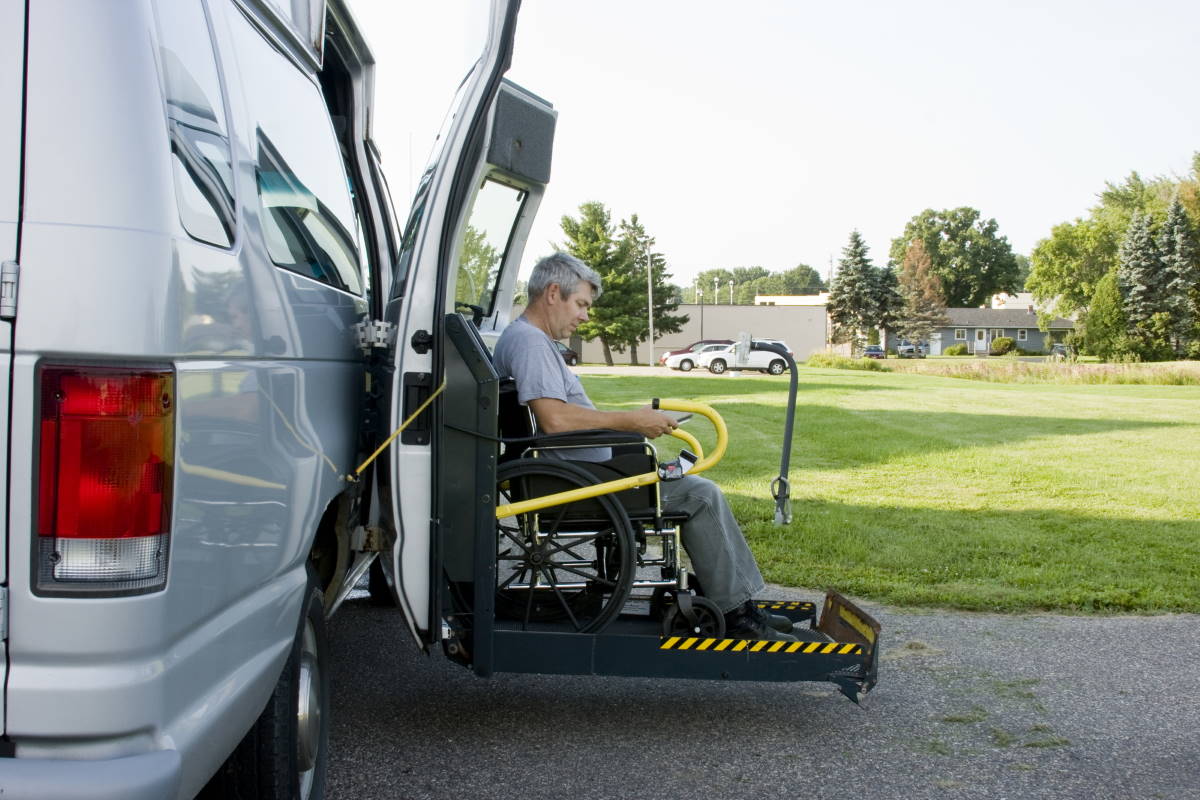
Healthcare services are essential to every segment of the population. But some of our more fragile populations face transportation challenges to get to their essential medical appointments. Some must rely on family and friends or local community organizations to transport them. If these options become limited, Non-Emergency Medical Transportation (NEMT) can fill in the gap. It’s not only the vulnerable portion of our populations that can be affected. We could also be talking about someone who’s normally healthy enough to get around but may be temporarily waylaid by an acute injury or surgery. Post-surgical patients aren’t allowed to drive until cleared by their healthcare provider, even if the surgery didn’t involve limbs or hands. Since surgery weakens muscles needed for driving a vehicle, and post-procedure pain medication may make driving illegal and unsafe, alternative arrangements need to be made. After all, getting to follow-up appointments is often crucial to recovery. If you can imagine trying to board a public bus with a cast on your leg and arm, you probably see the types of challenges some riders might face. For many, driving their own car is out of the question. For these and many other challenges, NEMT is the answer.